
Okay, so check this out—first impressions matter. I installed a Solana browser wallet one rainy afternoon, clicked through the onboarding, and felt that familiar mix of excitement and mild dread. Whoa! There was a glow of possibility: NFTs, fast transfers, low fees. Then the little voice: “Wait—did you save the seed?” My instinct said to pause, but curiosity won. I’m biased, sure, but after months using Phantom as a daily driver I want to share what worked, what bugged me, and what I still double-check every time I open the extension.
Phantom is a browser extension wallet built for Solana that behaves like the bridge between your browser and Web3 apps. It’s fast. It integrates smoothly with most Solana dApps. And yes, it’s convenient in a way that can make you sloppy—so let’s talk about safe convenience, setup, common issues, and real-world tips that save heartache later.
Getting started: install, seed, and the small things that matter
First step: install the extension from a trusted source and verify the publisher. I know, not rocket science. But people do click stuff—seriously. If you’re ready to try Phantom, use the official download link or a vetted source; here’s a resource I used for an easy install: phantom wallet download extension. Initially I thought any extension store listing was fine, but then I noticed lookalikes. Actually, wait—let me rephrase that: check the developer name, review history, and extension permissions before you click add.
Setup walk-through in plain English: create a new wallet, write down the 12- or 24-word recovery phrase (some versions vary), and store it offline. Don’t screenshot it. Don’t paste it to a cloud note. Don’t tell your friend on Discord. These warnings are boring but very very important. If you lose that phrase, you’re fundamentally trusting the platform’s recovery mechanisms—most don’t have one.
Onboarding also asks for a password to lock the extension locally. Use a strong one, but remember: the password protects only the extension UI on that device. The seed phrase is the true key. So treat it like cash in your wallet, but more permanent… and more dangerous if lost or stolen.
Security habits that become second nature
Okay—so what’s different when using a Solana wallet vs. a custodial app? Control and responsibility. Hmm… my fast take: you gain sovereignty, and you gain responsibilities that don’t go away. Use a hardware wallet where possible. Phantom supports Ledger and other devices; pairing adds a strong second layer. If you’re moving sizable funds, use the hardware flow every time you sign a transaction.
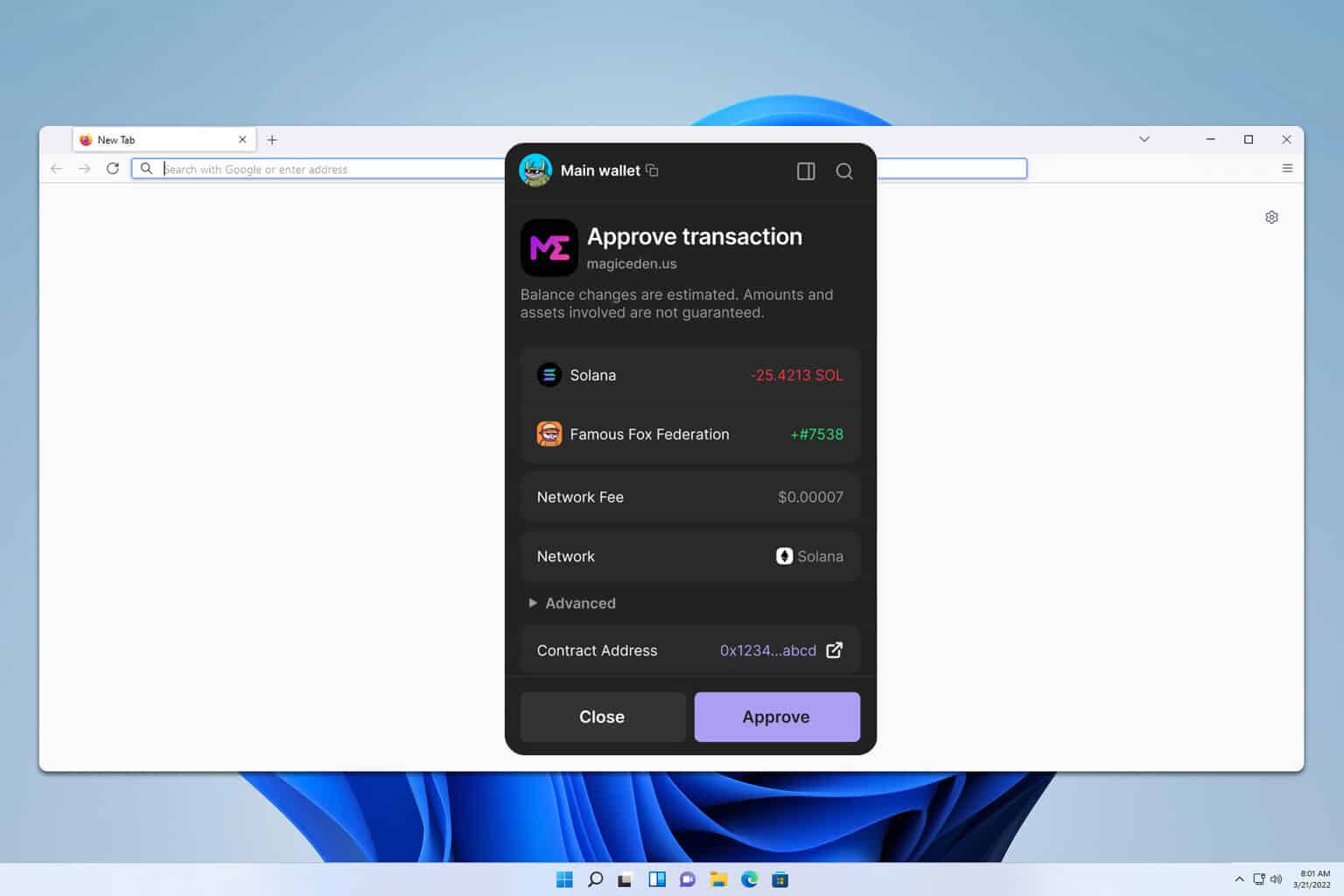
One rule I learned after a near-miss: always inspect transaction details before approving. Apps sometimes request permission scopes that are broader than needed. On one occasion a rug-pull style dApp requested a token approval I didn’t expect. I hit decline. That little hesitation saved me. On the other hand, many approvals are legitimate and part of dApp UX—so read amounts, recipient addresses, and especially memos if present.
Recovery practice: store the seed phrase in two physically separate places if you can—safe deposit box + home safe, or a steel backup plate plus a trusted relative’s escrow (with clear instructions). There’s no shame in being paranoid about this. Something felt off about trusting a single spot, so I split mine.
Connecting to dApps and using DeFi on Solana
Connecting is usually click-to-confirm. Most dApps show a modal asking to connect your wallet and to sign small messages for authentication. That’s normal. But when a dApp asks to sign a transaction that transfers funds or sets spending approvals, pause. On one hand, fast UX is great for gasless-feeling trading. On the other hand, speed can mask important details… so actually read the prompt. Not glamorous, but practical.
Swap flows, liquidity pools, and staking interfaces vary in design. Phantom’s internal token swap is convenient for quick trades, but I prefer using reputable DEX front-ends (like Raydium, Orca, or Jupiter) when routing matters or when I’m doing more complex trades. Why? Because the slippage settings and route visibility are clearer, and I can double-check where funds move.
Gas and transaction speed on Solana are nice—fees are tiny. That lowers friction, but it also lowers the “pain barrier” that sometimes prevents rash decisions. So keep discipline: small fees shouldn’t mean small caution.
Troubleshooting: the handful of issues you’ll probably hit
Phantom sometimes fails to connect to a dApp. Simple fixes first: refresh the page, toggle the extension, and ensure the site is in the correct network (mainnet vs. devnet). If the dApp still can’t detect the wallet, try disabling other wallets or extension conflicts and re-enable Phantom. Usually that clears it up.
Account missing or balances wrong? Confirm RPC endpoints and network status. Very occasionally an indexer is behind and the UI doesn’t show the latest data, even though on-chain transactions succeeded. Check your transaction history on a block explorer. If something’s truly missing, export the transaction signature and follow up in support channels.
And yes, seed phrase compromises still happen via phishing. If you ever suspect compromise, move funds to a new wallet immediately and revoke suspicious approvals. Revoke tools exist on Solana; use them. I’m not 100% sure every tool is perfect, but they reduce exposure significantly.
Practical tips I wish someone told me earlier
1) Create multiple accounts inside the same wallet for different purposes—one for airdrops and experimental sites, one for serious holdings. Saves headaches. 2) Label your accounts. Phantom lets you rename them; use that. 3) Use hardware approvals for large transactions. Period. 4) Test small first—send a micro-amount to a dApp, confirm behavior, then proceed. This simple habit prevents many mistakes.
One more thing: privacy matters. Solana addresses are public. If you reuse the same account for everything, your on-chain history becomes a map. If privacy matters to you, create separate addresses and avoid linking them publicly. Oh, and by the way—watch the airdrop scams. If someone promises tokens for signing a message that includes an approval, don’t do it.
FAQ
Is Phantom safe for everyday use?
Yes, for everyday small-to-moderate use it’s reliable. For large holdings, combine Phantom with a hardware wallet (Ledger) and offline seed storage. Also, always verify domain names and approval prompts.
Can I recover my wallet without the seed phrase?
Generally no. The seed phrase is the canonical recovery method. Some platforms offer custodial recovery, but if you’re using a non-custodial extension like Phantom, the phrase is essential. Make backups and store them offline.
What should I do if I accidentally approved a malicious transaction?
Act fast: move remaining funds to a secure wallet, revoke approvals where possible, and consult block explorers to trace transactions. You can report phishing or scams to community channels and support, but recovery of stolen funds is rarely guaranteed.

Leave A Comment
You must be logged in to post a comment.